10K Run Recovery Guide: How to Help Your Body (and Feet) Recover Faster
Finishing a 10K run is a great achievement — whether it’s your first race or part of regular training.
But what you do after the run matters just as much as the kilometers you’ve completed.
Many runners focus on pace and distance, yet ignore recovery — especially foot recovery, which absorbs the most impact during running.
This guide will help you recover smarter after a 10K run, so you can train consistently without pain or setbacks.
What Happens to Your Body After a 10K Run?
Even though 10K is considered a “short race” compared to half or full marathons, your body still experiences:
-
Muscle micro-tears (especially calves and quads)
-
Foot swelling from repeated impact
-
Tight arches and heels
-
Dehydration and electrolyte loss
-
General fatigue that builds up if ignored
Ignoring recovery can lead to recurring soreness, overuse injuries, and slower progress.
Step 1: Slow Down Properly After the Finish
Don’t stop abruptly after crossing the finish line.
Do this instead:
-
Walk slowly for 5–10 minutes
-
Let your heart rate come down naturally
-
Allow blood circulation to normalize
This simple step reduces stiffness and helps flush waste products from muscles.
Step 2: Gentle Stretching (Not Aggressive)
Stretching after a 10K should feel relieving, not painful.
Focus on:
-
Calves
-
Hamstrings
-
Quads
-
Hip flexors
-
Feet and arches
Hold each stretch for 15–30 seconds.
Avoid bouncing or forcing the range of motion.
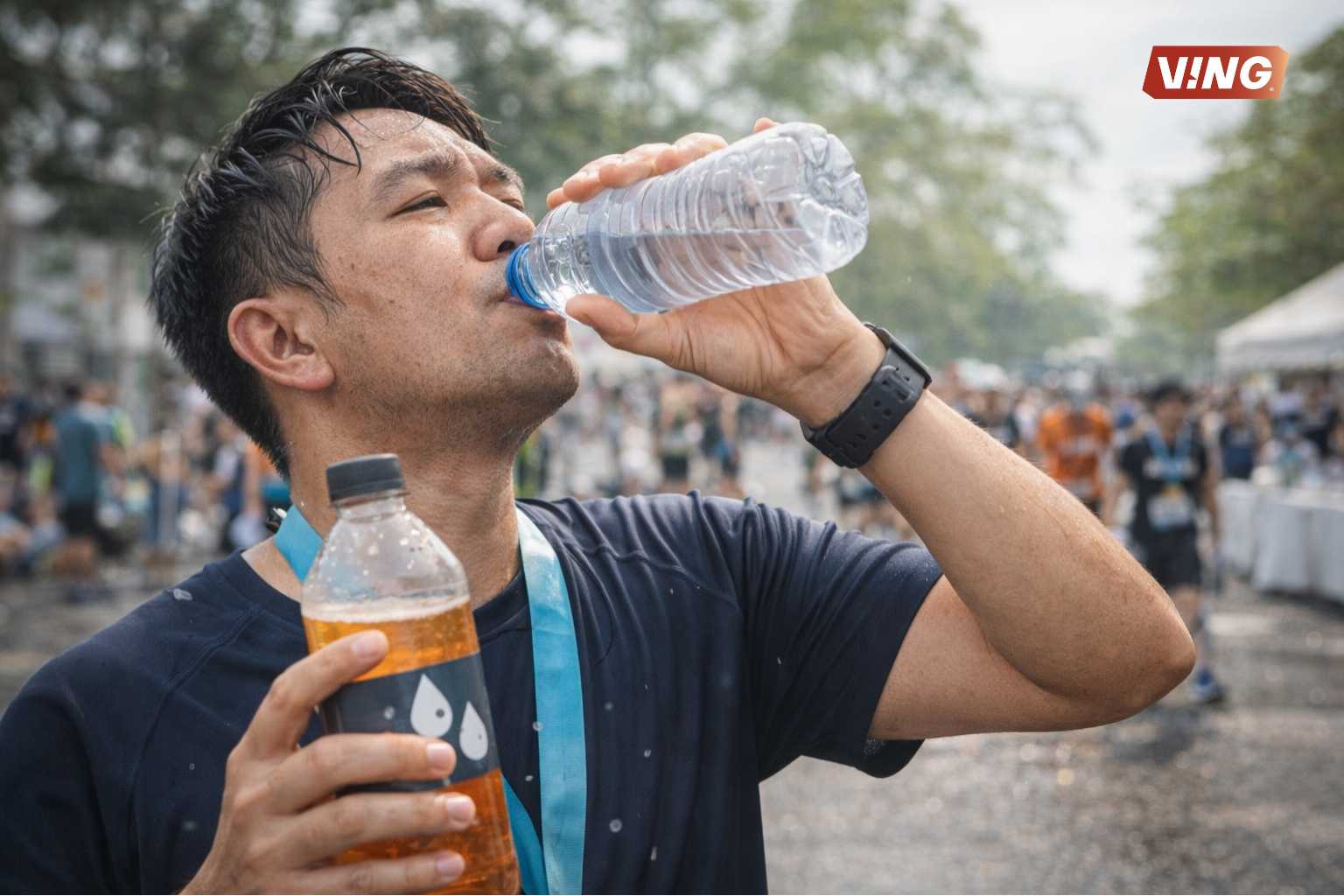
Step 3: Rehydrate and Refuel
Even short races deplete fluids and energy.
Prioritize:
-
Water or electrolyte drinks
-
Carbohydrates to refill glycogen
-
Protein to support muscle repair
Recovery nutrition doesn’t need to be complicated — consistency matters more than perfection.
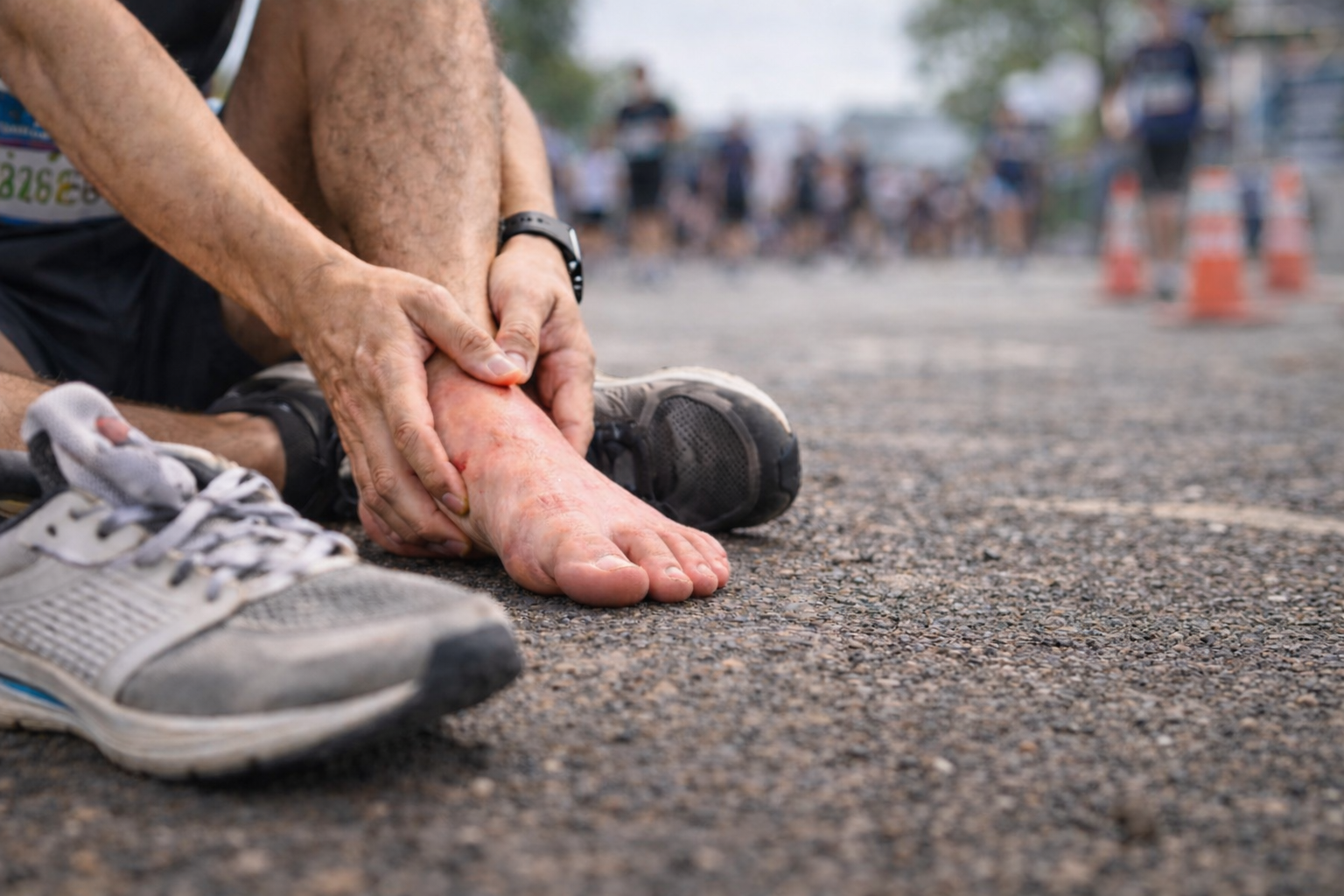
Step 4: Take Care of Your Feet First
Your feet hit the ground thousands of times during a 10K run.
That’s why foot recovery should never be an afterthought.
Common post-10K foot issues include:
-
Tight arches
-
Heel soreness
-
Hot spots or early blisters
-
Swollen forefoot
Smart runners focus on:
-
Reducing pressure and compression
-
Allowing natural foot movement
-
Letting heat and swelling dissipate
Switching out of tight running shoes as soon as possible helps speed up recovery.
Step 5: Active Recovery Over the Next 24–48 Hours
Recovery doesn’t end on race day.
Good post-10K recovery includes:
-
Light walking
-
Easy cycling or swimming
-
Gentle mobility work
-
Quality sleep
Avoid intense workouts until soreness has clearly reduced.
How Fast Should You Feel Recovered After a 10K?
Most runners feel:
-
Mostly recovered within 24–48 hours
-
Fully comfortable within 2–3 days
If pain lasts longer, it’s often a sign that recovery habits — especially foot care — need improvement.
Why Recovery Is the Key to Consistent Running
Running progress doesn’t come from one hard session.
It comes from recovering well enough to train again — pain-free.
That’s why modern runners think beyond the run itself and focus on:
-
Natural movement
-
Reduced foot stress
-
Faster recovery between sessions
Run Smart. Recover Smarter.
A 10K run is not just about finishing strong —
It’s about how quickly and comfortably your body bounces back.
Respect your recovery, listen to your feet, and you’ll be able to keep running — week after week.